
Quido hovorí svoj príbeh
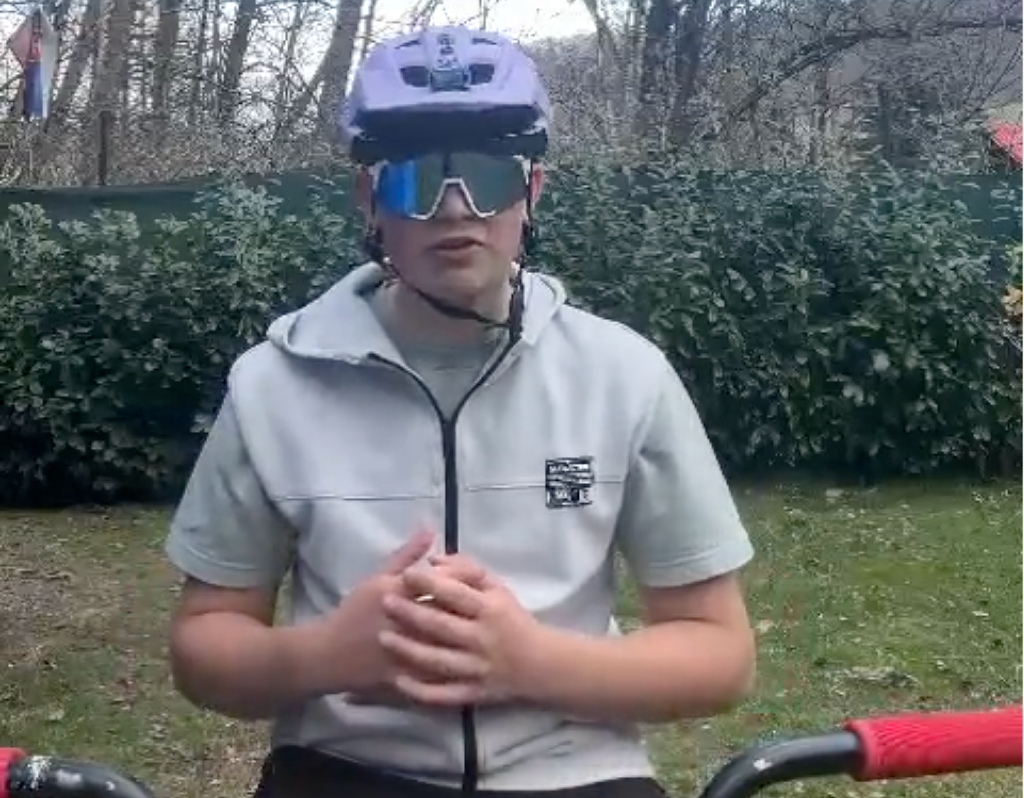
Ďakujem Ti Quido, že si sa podelil o svoj príbeh. Je v ňom sila, odvaha a múdrosť, po akej túžia mnohí "dospelí".
To, čo si opísal, nie je len o telesnej bolesti, ale o hlbokom hľadaní. Veľa ľudí by sa v takých chvíľach zatvorilo. A to, že si našiel spojenie so sebou samým je krásne. Objavil si niečo, čo sa mnohí učia a to je že bolesť je náš kamarát a symptómy tela sú signály, ktoré je dobre sa naučiť počúvať.
Quido's Story (English Subtitles)
Reč tela a vnútorná rovnováha
Quidovo nové video zachytáva moment, keď pohybom vyjadruje zmenu. Po sérii terapií pokračoval v každodennej praxi dychových cvičení.
Pravidelná prax kriye pomohla stabilizovať autonómne funkcie a obnoviť pocit telesnej bezpečnosti.
Premet dozadu, ktorý predviedol, je ukážkou transformácie.
Je to pohyb vychádzajúci z usporiadaného nervového jadra.
Mozgové štruktúry spojené s reakciou na stres spolupracujú v harmónii.
Quida som sprevádzal osobne aj online rôznymi prístupmi, ktoré prepájajú telo, dych a vedomie.
Použili sme
Meditačné techniky (ako Kirtan Kriya a dychové cvičenia),
Jogínske zostavy, ktoré pomáhajú integrovať napätie a uvoľnenie,
Expresívne vyjadrenie emócií telesne aj zvukovo , bez slov.
Prečo joga a somatika
Opäť som si uvedomil, že bez jogínskej alebo podobnej telesnej praxe sú terapie úspešné iba spolovice.
Toto zistenie ma stále hlbšie a hlbšie vedie do rôznych somatických integračných techník, kde sa telo, dych a nervový systém môžu naozaj učiť novým vzorom.
Všimol som si, že čím väčší a bezpečnejší vnútorný priestor dokáže terapeut v sebe vytvoriť, tým hlbšie môže spolu s klientom skúmať jeho skúsenosť a objavovať vrstvy, ktoré sa nachádzajú pod symptómami.
Po niekoľkých mesiacoch
Po niekoľkých mesiacoch práce a pravidelnej praxe sa Quido znovu vracia k radosti z pohybu. Video, kde robí saltá na trampolíne, nie je len ukážkou fyzickej zdatnosti, ale predovšetkým symbolom vnútornej transformácie.
Je to jasný dôkaz, že keď sa nervový systém znovu učí bezpečiu, otvára sa aj prirodzená vitalita a tvorivosť.
Quido Enjoying the Trampoline After a Few Months of Therapy and Practice
Čo sa deje?
Neepileptický záchvat je odpoveď nervového systému na dlhodobý stres, traumu alebo preťaženie. Je to autonómna reakcia tela, ktorého kapacita zvládať napätie bola prekročená.
PNES má spoločný základ so stavmi, ktoré dnes zažívajú milióny ľudí:
Fóbie: telo reaguje na spúšťače s panikou, aj keď nebezpečenstvo nehrozí
Úzkosť a paranoja: neustále skenovanie nebezpečenstva, napätie, vnútorný chaos
Depresia: útlm, zmrznutie, strata energie – telo sa stiahne do ochrany
Vyhorenie: dlhodobý stres vyčerpá všetky rezervy, vznikne kolaps
Za tým všetkým je spoločný menovateľ:
Nervový systém, ktorý stratil rovnováhu a už nevie, kde je bezpečie.
Cesta späť k sebe
Záchvaty prestávajú keď pochopíme „prečo“, a keď telo zažije bezpečie.
Keď sa učíme dýchať, cítiť, uvoľniť.
Človek má v sebe schopnosť prekonať výzvy a nájsť cestu k zdraviu. Prístup zameraný na celistvosť osoby, ktorý zahŕňa fyzické, emocionálne, mentálne a duchovné dimenzie, podporuje tento proces uzdravovania.
Dôležité je vytvoriť prostredie dôvery a porozumenia. Takýto prístup nielenže posilňuje terapeutický vzťah, ale tiež umožňuje človeku aktívne sa podieľať na svojom procese uzdravovania
ENGLISH
Body Language and Inner Balance
Quido’s new video captures a moment where movement expresses change. After a series of therapies, he continued with a daily practice of breathing exercises.
Regular kriya practice helped stabilize his autonomic functions and restore a sense of bodily safety.
The backflip he performed is a demonstration of transformation.
It is a movement arising from an organized nervous core.
Brain structures connected to the stress response are now working together in harmony.
I accompanied Quido both in person and online through various approaches that connect body, breath, and awareness.
We used:
Meditation practices like Kirtan Kriya and simple breathing.
Yoga exercises that bring both tension and release into balance.
Expressive ways of letting emotions out through movement and sound, without needing words.
Why Yoga and Somatics
Once again, I realized that without yogic or similar body-based practices, therapies are only half successful.
This insight continues to lead me deeper into various somatic integration techniques, where the body, breath, and nervous system can truly learn new patterns.
What Are Non-Epileptic Seizures?
Not all seizures are epileptic. Not all symptoms come from the brain.
Still, they are real. The body can shake, freeze, collapse, and lose consciousness. People around often do not understand.
In fact, it is the body’s way of saying what words cannot.
This condition is called psychogenic non-epileptic seizures (PNES).
They look like epilepsy, but they are not caused by electrical activity in the brain.
On an EEG everything seems “normal,” but the body still reacts strongly.
What Happens in PNES?
A non-epileptic seizure is the nervous system’s reaction to long-term stress, trauma, or overload.
It is an automatic response of the body when its capacity to handle tension has been crossed.
Similar States
PNES has the same roots as many conditions people face today:
- Phobias – panic even without real danger.
- Anxiety – constant scanning for threats, inner tension.
- Depression – shutdown, loss of energy, withdrawal.
- Burnout – stress drains all reserves, leading to collapse.
The Root Cause
All of these states point to the same thing: a nervous system out of balance, struggle to feel safe.
The Journey Back to Self
Seizures stop when we understand the “why” and when the body experiences safety. When we learn to breathe, to feel, and to relax.
In working with people, it is essential to see them not only through the lens of their difficulties, but above all through their potential for healing. Every person carries within them the ability to overcome challenges and to find their way back to health.
An approach that looks at the whole person, physical, emotional, mental and spiritual, supports this healing process.
What matters most is creating an environment of trust and understanding. Such an approach not only strengthens the therapeutic relationship, but also empowers the person to take an active role in their own healing journey.
New Energy in Motion
After several months of work and regular practice, Quido is reconnecting with the joy of movement. The video where he performs flips on the trampoline is not only a display of physical ability, but above all a symbol of inner transformation.
What was once accompanied by fear and uncertainty is now turning into freedom, playfulness, and the courage to try new things. The trampoline becomes a space where his body says: “I feel strong, I feel at home.”
It is clear proof that when the nervous system learns safety again, natural vitality and creativity also open up.